

Auto-Tune is a pitch correction software that automatically adjusts and corrects the pitch of musical performances. It works by detecting the pitch of an incoming audio signal, corresponding to a vocal or instrumental performance, after which manipulating the pitch to bring it closer to the desired or "right" pitch. Here's a extra detailed clarification of what Auto-Tune does:
Pitch Detection: Auto-Tune first analyzes the incoming audio sign to determine the pitch of every notice. It identifies the basic frequency of the sound, which corresponds to the perceived pitch.
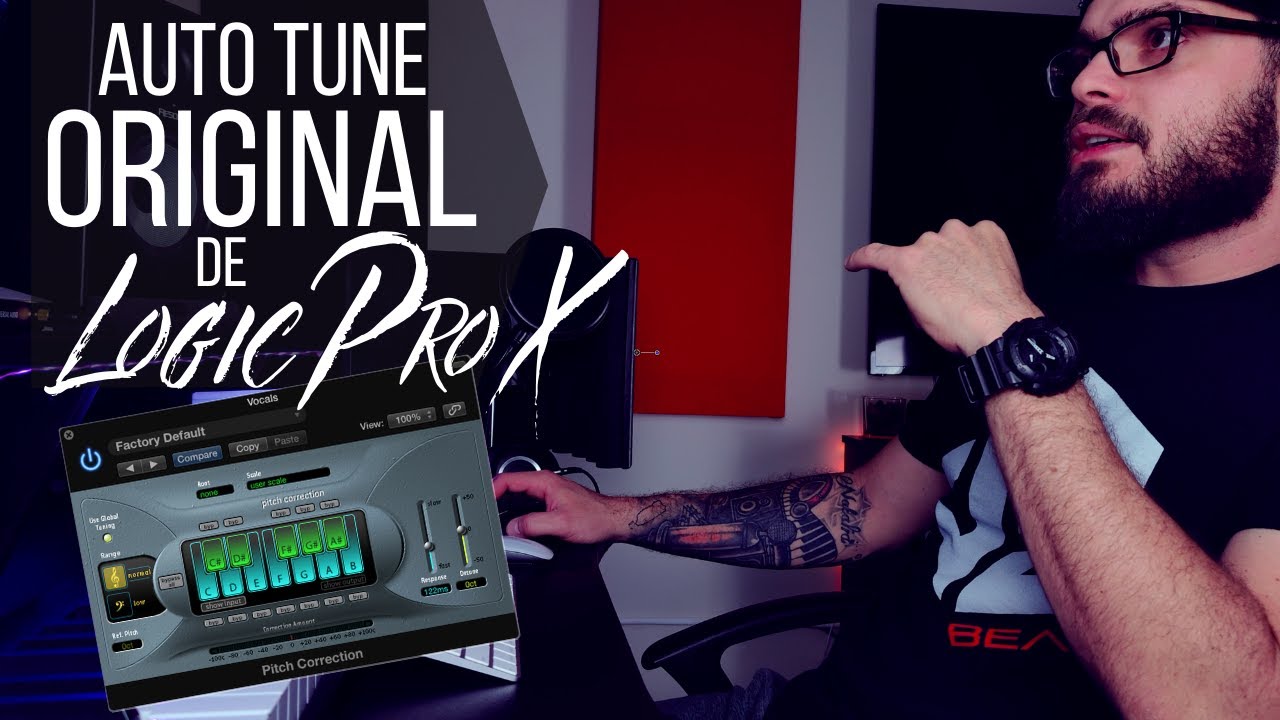
Comparison to Reference Pitch: Once the pitch is detected, Auto-Tune compares it to a predefined reference pitch or musical scale. This reference pitch is usually set by the consumer or the music producer and represents the meant or appropriate pitch for the efficiency.
Pitch Correction: If the detected pitch deviates from the reference pitch, Auto-Tune applies corrective processing to regulate the pitch of the notice. The correction may be delicate or more aggressive, relying on the settings and parameters chosen by the user.
Correction Speed: Auto-Tune allows customers to manage the pace at which pitch correction is utilized. Faster correction instances end in extra instant pitch changes, whereas slower settings create a smoother, extra natural-sounding correction. The adjustment speed is commonly expressed when it comes to milliseconds.
Scale and Key Settings: Users can specify the musical scale and key of the track, which helps Auto-Tune make more accurate pitch corrections. This information ensures that the corrected pitches align with the musical context of the performance.
Graphical Interface: In addition to automated correction, Auto-Tune usually features a graphical interface that displays the pitch of the input sign over time. This interface permits producers and engineers to visually identify and manually edit pitch corrections, providing extra exact management over the process.
Artistic Effects: While Auto-Tune was initially developed as a corrective tool, it gained popularity for its artistic potential. The software program can be utilized to deliberately create the attribute "auto-tuned" or robotic sound that grew to become in style in certain genres of music. Artists like T-Pain and Cher embraced this effect as a stylistic selection.
what is autotune to notice that whereas Auto-Tune is broadly used in the music trade, its software can range. Some producers use it subtly for correction, aiming for a pure sound, while others intentionally exaggerate the effect for artistic functions. The use of Auto-Tune has become a stylistic element in trendy music production, and its impression on the ultimate sound is dependent upon how it's configured and utilized by the user..